Toggle Nav


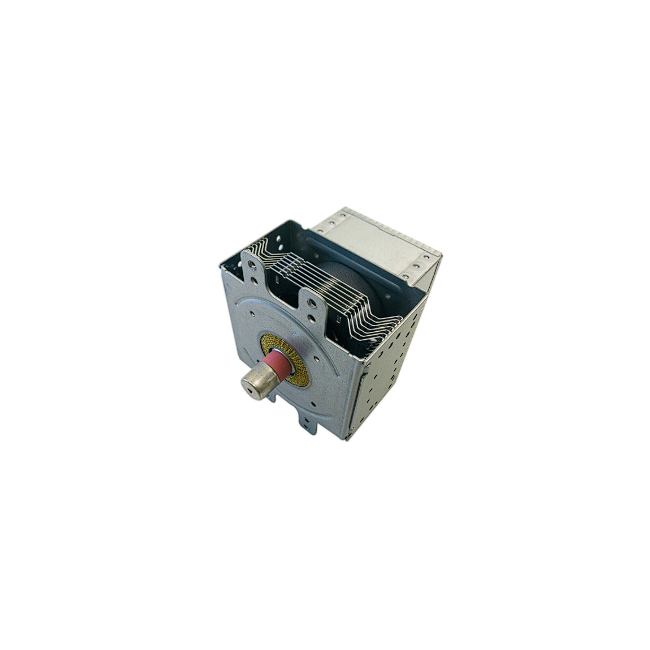


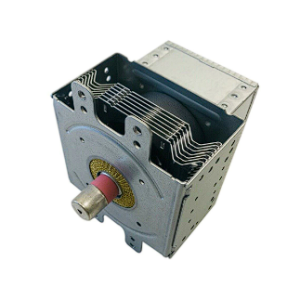
Microwave Magnetron W11230995 OEM Part
was
$229.99
Special Price
$132.99
W11230995 replaces AP6339574, 4845098, PS12578667, W11188557.
MFG Number
W11230995
Availability:
In stock
‐ Ships Today
In stock items are shipped the same day on all orders made before 4 PM Eastern Time. Orders made after 4 PM Eastern Time, Weekend or a Holiday will ship the following business day.
Microwave Magnetron Overview
Whirlpool Corporation operates a diverse portfolio of brands, including Amana, KitchenAid, Maytag, Jenn-Air, Magic Chef, Roper, and Admiral. The company is also responsible for producing appliance components for Sears-Kenmore and Ikea. Among its critical offerings is the OEM Magnetron, a vital element found in the microwave ovens of its affiliated brands such as KitchenAid, Jenn-Air, and Maytag. The magnetron plays a pivotal role in creating electromagnetic waves, allowing microwaves to effectively and indirectly heat food.
Factors Contributing to Magnetron Failure
Over time, routine use can lead to the gradual degradation of a magnetron’s internal magnets and filaments. Additionally, external influences like power surges may negatively impact its performance.
Indicators of a Malfunctioning Magnetron
Several symptoms may signal a failing magnetron. Users might notice a decline in heating efficiency, resulting in prolonged reheating durations. Unevenly heated food with cold spots is another common indicator. Physical evidence like visible cracks, sparking, or the presence of burning odors emanating from the microwave could also point to a faulty magnetron.
Recognizing these signs is beneficial for maintaining optimal performance in microwave ovens and ensuring timely resolution of magnetron-related issues.
Whirlpool Corporation operates a diverse portfolio of brands, including Amana, KitchenAid, Maytag, Jenn-Air, Magic Chef, Roper, and Admiral. The company is also responsible for producing appliance components for Sears-Kenmore and Ikea. Among its critical offerings is the OEM Magnetron, a vital element found in the microwave ovens of its affiliated brands such as KitchenAid, Jenn-Air, and Maytag. The magnetron plays a pivotal role in creating electromagnetic waves, allowing microwaves to effectively and indirectly heat food.
Factors Contributing to Magnetron Failure
Over time, routine use can lead to the gradual degradation of a magnetron’s internal magnets and filaments. Additionally, external influences like power surges may negatively impact its performance.
Indicators of a Malfunctioning Magnetron
Several symptoms may signal a failing magnetron. Users might notice a decline in heating efficiency, resulting in prolonged reheating durations. Unevenly heated food with cold spots is another common indicator. Physical evidence like visible cracks, sparking, or the presence of burning odors emanating from the microwave could also point to a faulty magnetron.
Recognizing these signs is beneficial for maintaining optimal performance in microwave ovens and ensuring timely resolution of magnetron-related issues.
Write Your Own Review
Loading compatible models...